Projects
I run each project like a small product: a clear plan, one backlog, and automated tests before every release. I direct AI coding agents, which write most of the code. Players try the builds on real consoles and report back on GitHub.
The browser
Any phone or computer, with nothing to install.
-
Open Arcade live
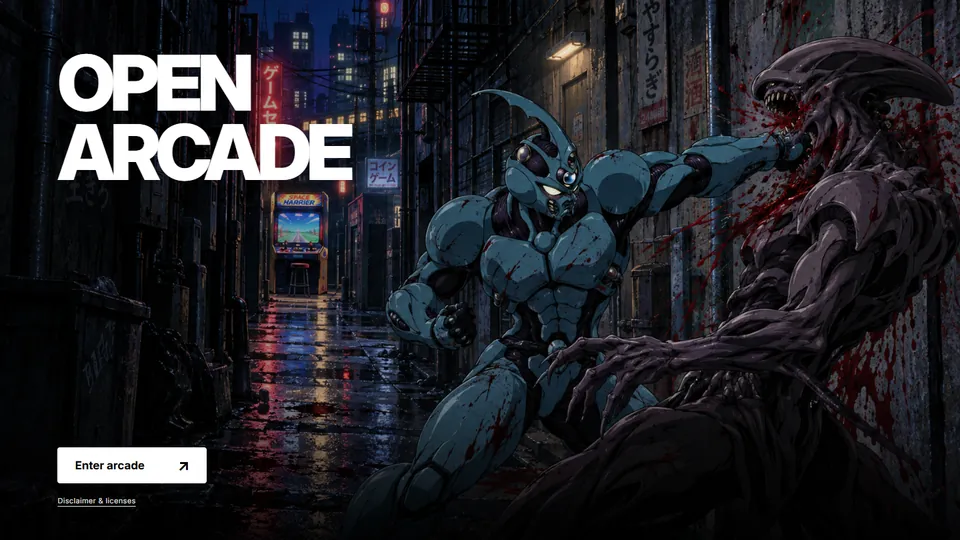
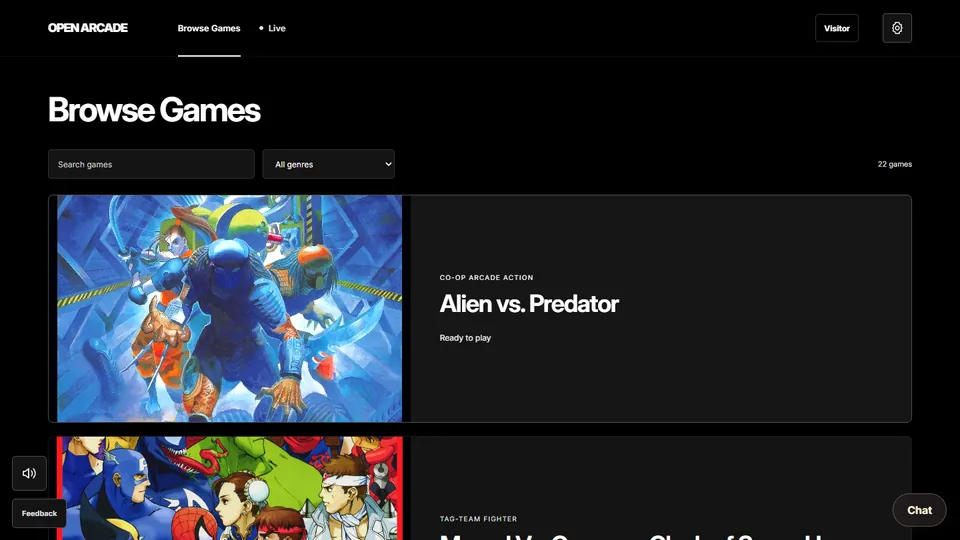
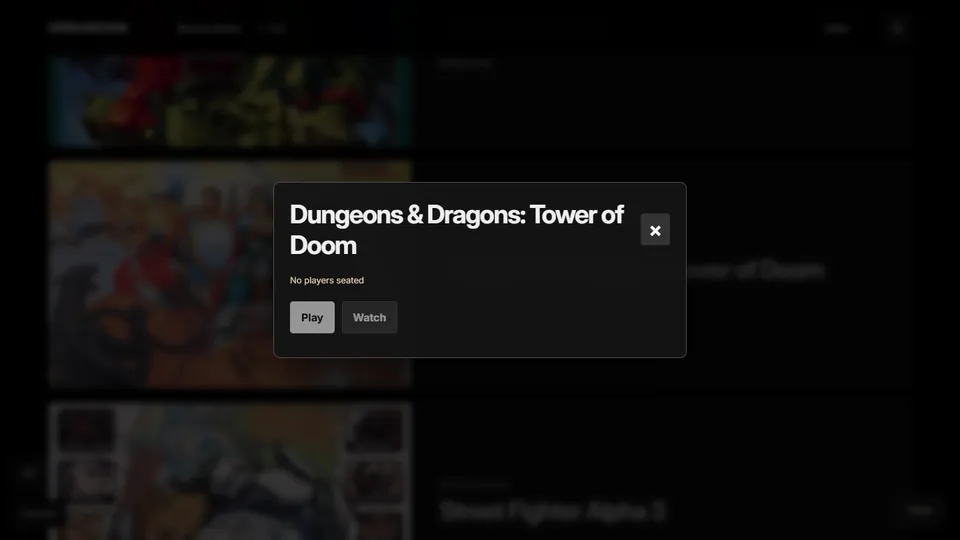
The entrance, the game list, and the choice to play or watch. A low-friction social platform for retro gaming that brings back the 1990s arcade. Pick a nickname and you’re in: no account and no install. Choose from 22 arcade classics, sit down with a friend or a stranger, or watch a game in progress and chat with the players. It works with touch controls on a phone or with a game controller.
A nicknameno account, no install enter 22 games play or watch Live sessionplayers, spectators, chatFrom the front door to a seat at a cabinet, without signing up.
Sega Dreamcast, 1998
One Hitachi SH-4 at 200 MHz, 16 MB of RAM and a dial-up modem.
-
RE4 Dreamcast test build 27.2
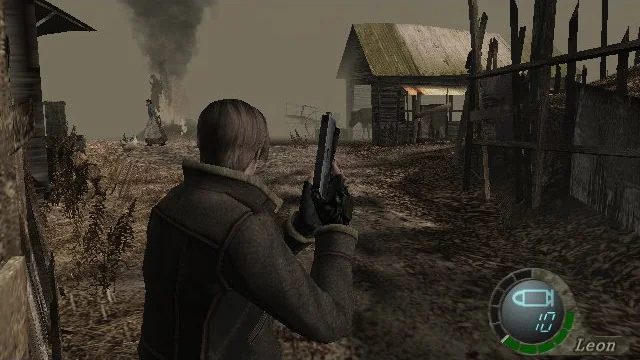
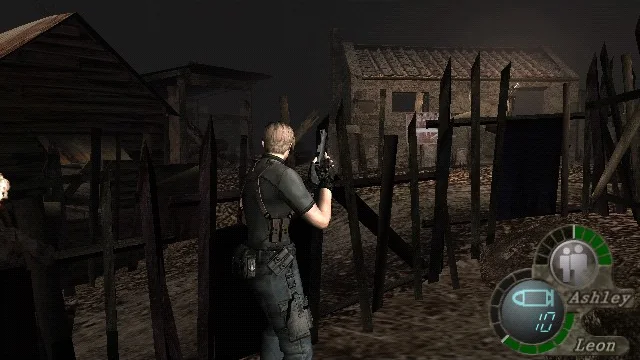
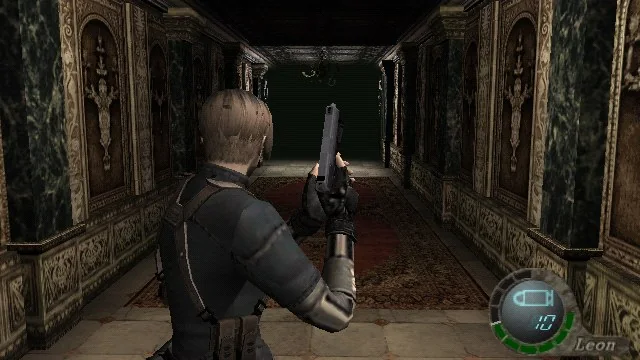
From the test builds: the village, the night road, and a castle hall in chapter 3-3 on Disc 2. Resident Evil 4 on the Dreamcast, built from the GameCube game’s own recovered code and drawn by a native Dreamcast renderer. The current test build runs from New Game into the castle on Disc 2.
Main memory on each machine. The port runs the GameCube code, with a growing share of PS2 assets, in 16 MB. -
dc-qalink
QA and telemetry for Dreamcast games over the console’s own modem. A game reports metrics once a second, and a PC or a coding agent can send commands back, at no cost to frame time.
Dreamcast game modem, PPP DreamPi relay SSH PC or coding agent- Telemetry, once a second
frame fps=60 scene=3- Commands back to the game
GOTO level1-boss
-
Halo Dreamcast Edition online
The online services for Halo Dreamcast Edition: the master server, the official server patch for OpenCE, and a browser test tool on Cloudflare Workers.
Game serversrun by approved operators signed listings Master serverGo, one SQLite file signed list Dreamcast playersPlayers join game servers directly. The master never carries game traffic, and operators sign up through a Discord bot.
Sega Saturn, 1994
Two Hitachi SH-2 CPUs at 28.6 MHz and 2 MB of work RAM.
-
AvP Saturn beta 0.1.2
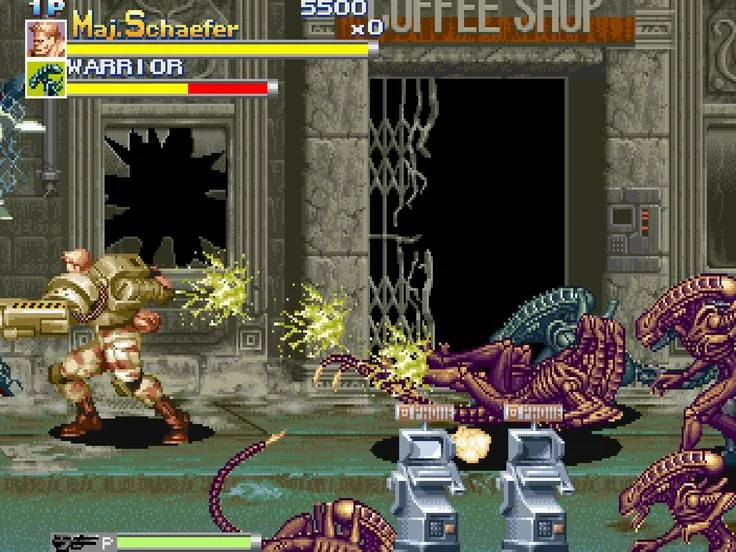
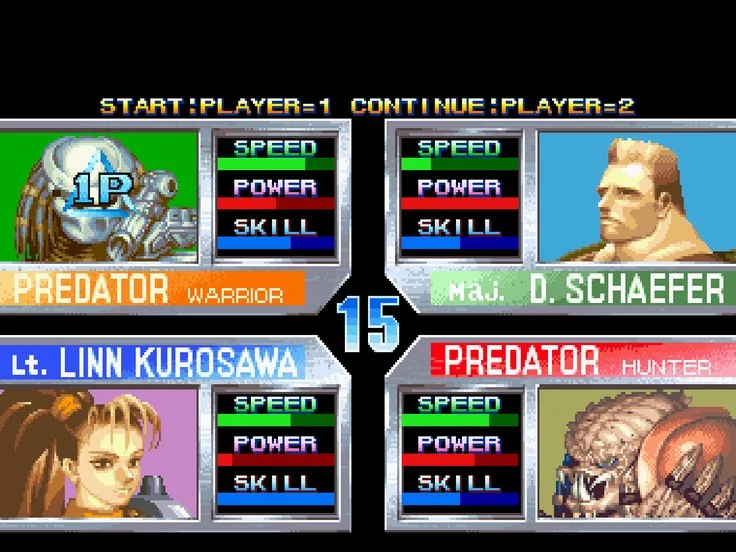
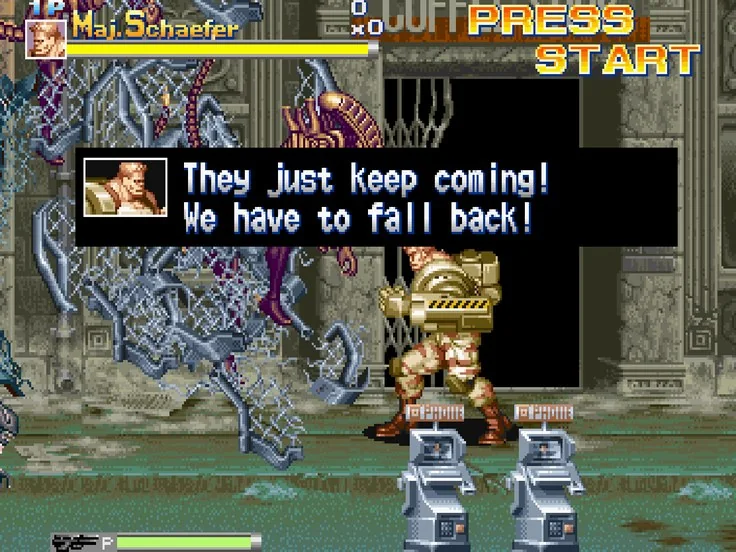
From the beta: round 1 and character select. Capcom’s 1994 Alien vs. Predator arcade game running natively on the Saturn, for one or two players with all four characters, music and sound. Tested on a real Saturn.
Arcade boardSaturn Game logic, 68000Readable C SpritesVDP1 BackgroundsVDP2 Sound effectsSCSP MusicCD audio GraphicsRAM and 4 MB cartWhere each part of the arcade game lands on the Saturn. Recordings from MAME are the reference at every step. -
cps2saturn
The porting kit behind AvP Saturn, for moving Capcom CPS2 arcade games to native Saturn code. It pairs a phase-gated playbook and a Claude Code skill for each area of the work with game-neutral Python and MAME Lua tools.
- Identity
- Go or no-go
- Translator
- Host check
- First playable
- Whole game and fit
- Console bring-up
- Speed on the console
- Home features
- Release
The playbook’s ten phases, from auditing the ROM set to the release disc. -
F-Zero X Saturn workbench
Groundwork for a native Saturn port of F-Zero X. It imports the Mute City course from a verified ROM, rebuilds the track math in fixed point, and runs the same C core on the Saturn and in a browser.
- Control points
- 8
- Curve
- Catmull-Rom, tension ½
- Road
- 36 units wide
- Banking
- up to 10°
- Runs on
- Saturn and WebAssembly
The workbench’s original test circuit, drawn from its eight control points with the same curve as the C core. It contains no Nintendo course data. -
SH2ZAM
Fixed-point math for the Saturn’s SH-2 CPUs, with Q16.16 arithmetic, vectors, matrices and quaternions. An independent adaptation of SH4ZAM, the Dreamcast math library by Falco Girgis and contributors.
0000000000000011Integer part: 30010010000111111Fraction: 9279 / 65,536 ≈ 0.14159π as a Q16.16 number, 0x0003243F. The low 16 bits hold the fraction, in steps of 1/65,536.